The second quarter was the strongest quarter for U.S. stocks (+15% return) since the post-COVID recovery in 2020. Things won’t always bounce back as quickly as they did this time, but this was another reminder of the importance of staying invested during periods of turbulence since missing just a few good days can do a lot of damage to long-term performance.
It seems hard to believe, but stocks in emerging markets have now outperformed U.S. stocks over the past three years (+22% vs. 20%). While relative performance between U.S. and international stocks will continue to ebb and flow, we like that international stocks currently trade at cheaper valuations than U.S. stocks and continue to see strong earnings growth.
Bonds have been chugging along (+4% return over the past year) while trailing three-year performance for REITs is now back to long-term average levels at 10% annualized.
We like sticking with a diversified approach with stocks & REITs for long-term growth and bonds for stability and predictable income. As Ben Carlson wrote in his latest book, “Diversification is about giving up the ability to hit a home run so you don’t strike out at the plate.”
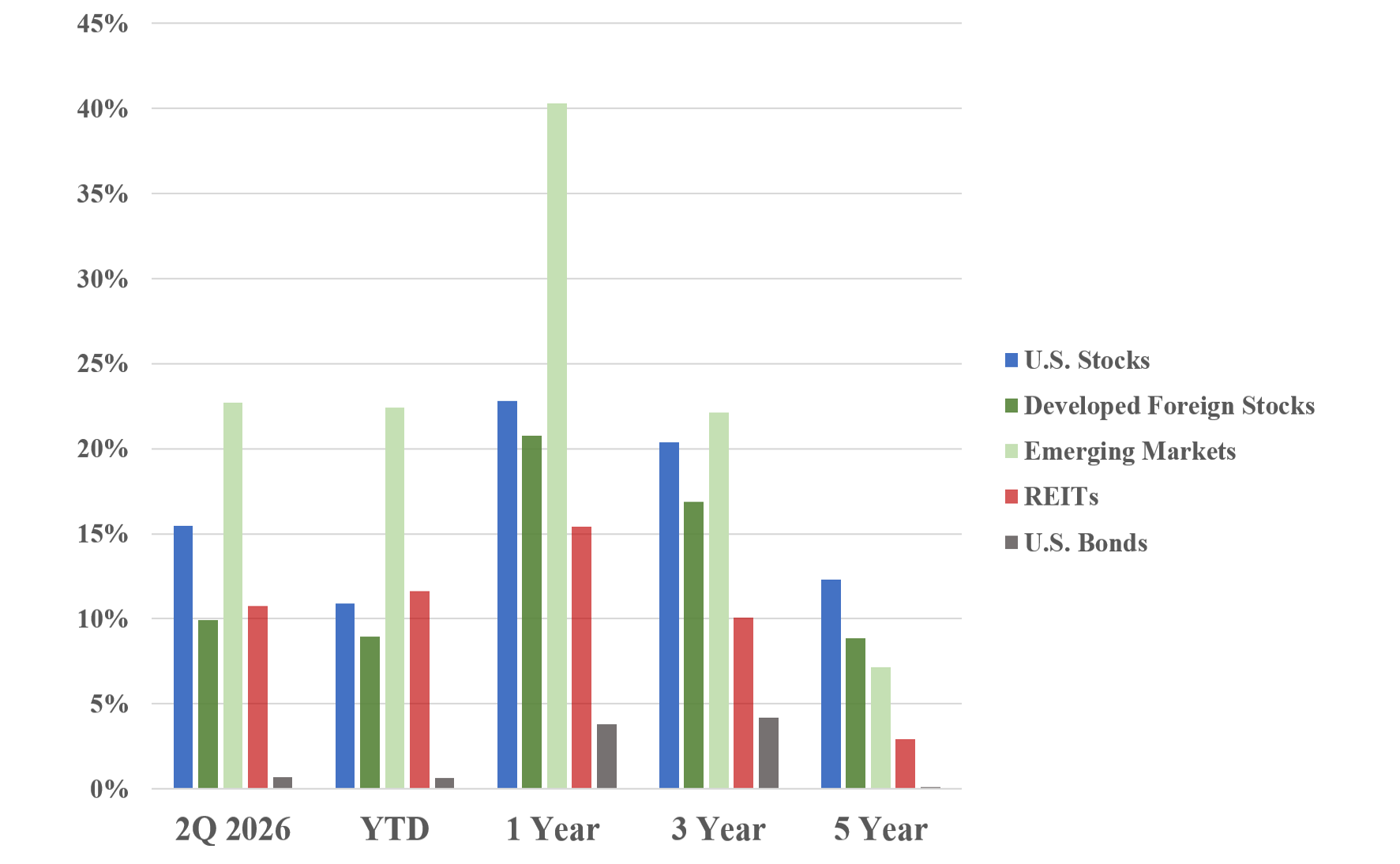
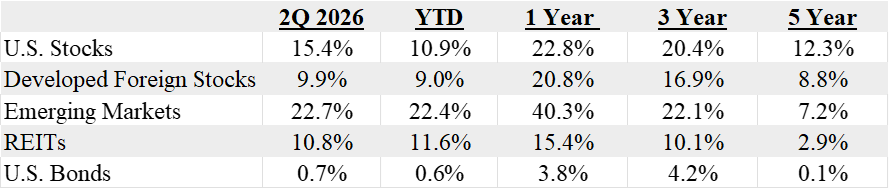
Index performance is provided as a benchmark. It is not illustrative of any particular investment. An investment cannot be made in an index. Past performance is not an indication of future results. Russell 3000 Index, MSCI World ex USA Index, MSCI EM Index, S&P Global REIT Index, US Aggregate Bond Index. Returns as of 6/30/2026.
Economic Review
[Keep in mind: the economic data usually lags a bit]
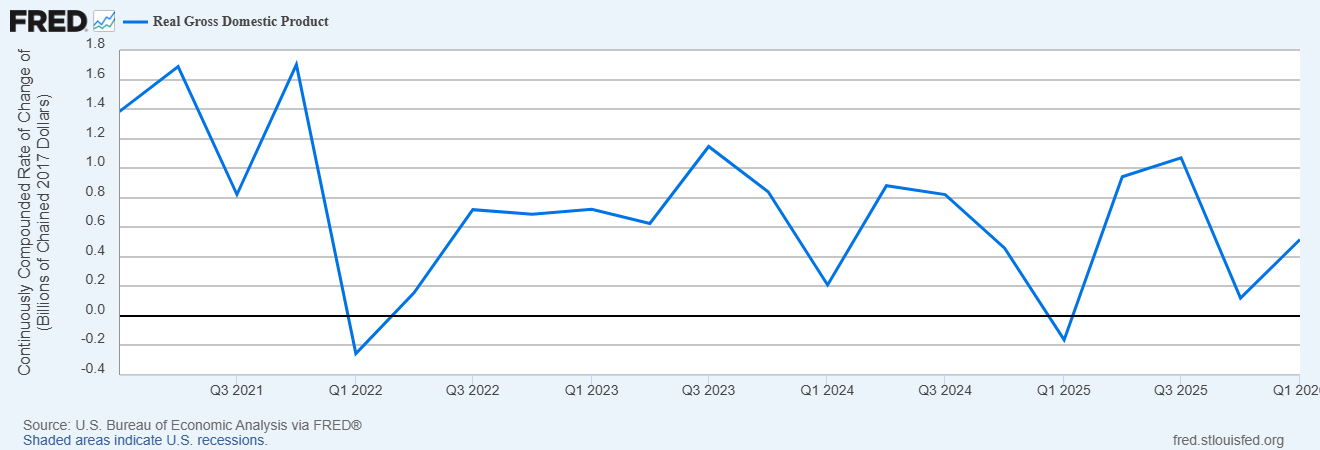
Real (inflation-adjusted) GDP growth improved in Q2 (+2% annualized growth) with stronger business investment driven partly by increased spending on AI-related equipment and software.
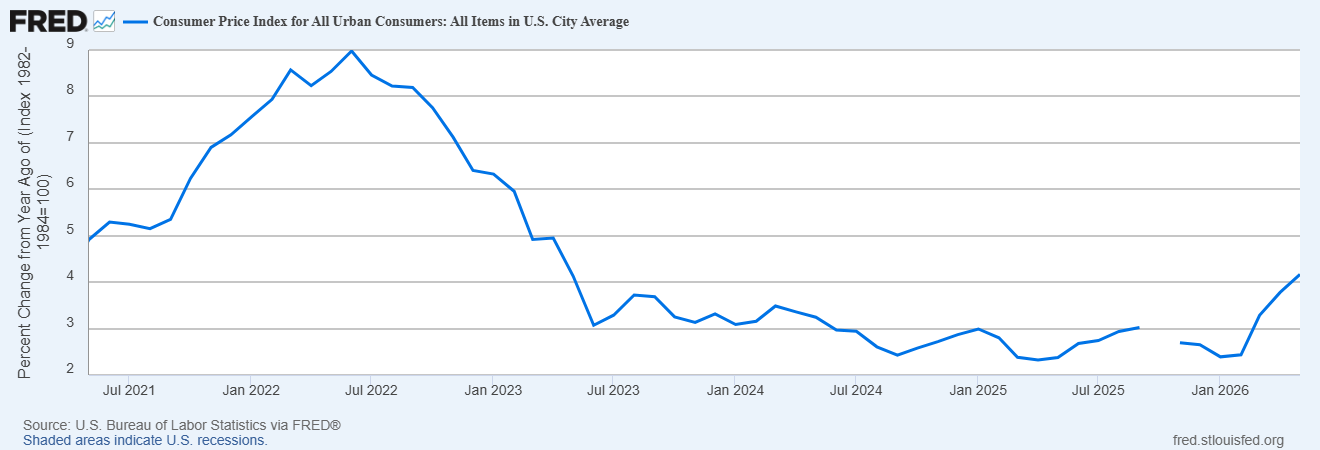
Inflation inflected higher on a headline basis (up to +4.2%) in May driven by significantly higher oil prices. Encouragingly, the price of oil has declined significantly ($68 today vs. >$100 in early May) as geopolitical tensions have been easing in recent weeks.
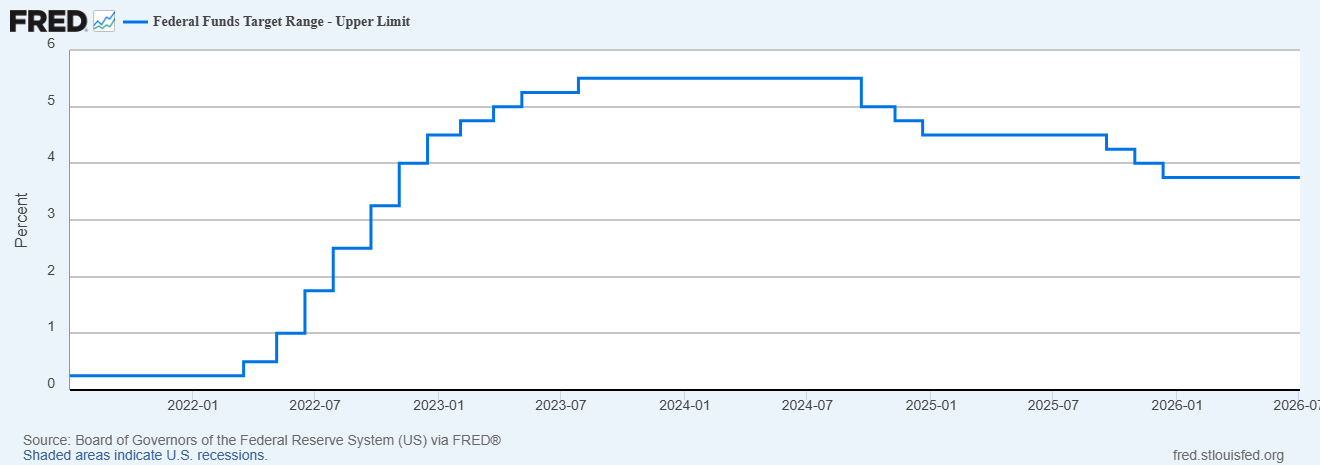
The Fed held the Federal Funds rate steady at 3.75% in the second quarter and is now expected to raise rates by 0.25% this year to combat the recent uptick in inflation.
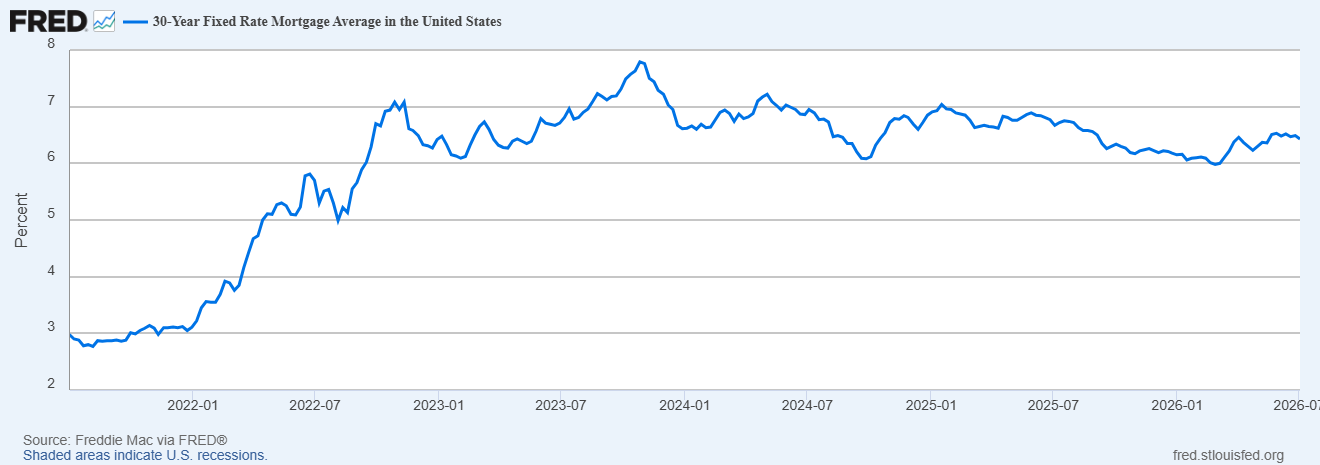
Mortgage rates bounced around inside the 6-6.5% range during the second quarter. With continued increases in insurance costs and property taxes on top of stubbornly high mortgage rates, buying an affordable home remains a challenge for much of the population.
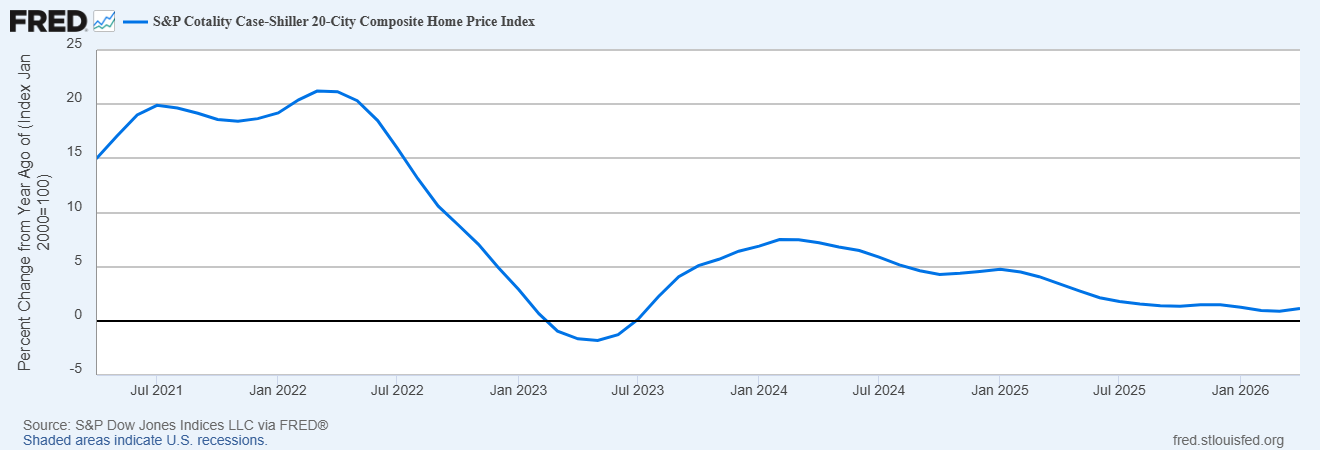
Home prices have essentially stayed flat since early 2025 with limited supply of available homes allowing prices to remain roughly 50% higher than February 2020 levels.
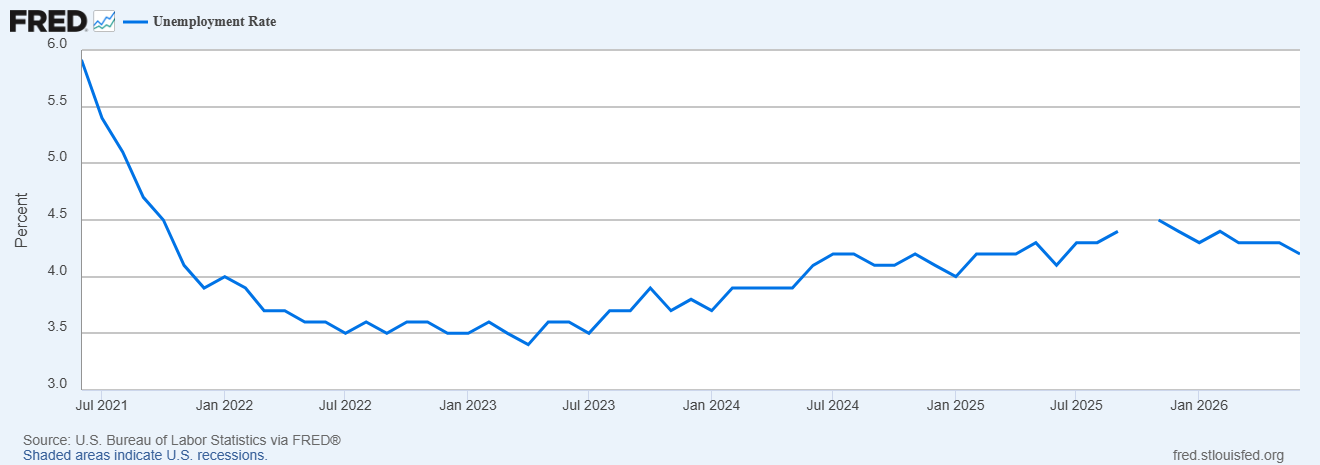
The unemployment rate declined slightly during the second quarter to 4.2% (down from 4.5% in November 2025). Recently, some companies (including Ford and IBM) have even been re-hiring employees that were laid off as recently as last year because AI has failed to deliver on expected productivity improvements.
Tax, Legal, & Legislative Updates
- Trump Accounts are set to go live on July 4th with eligible newborns receiving $1,000 seed investments from the government.